 By The Trend Journal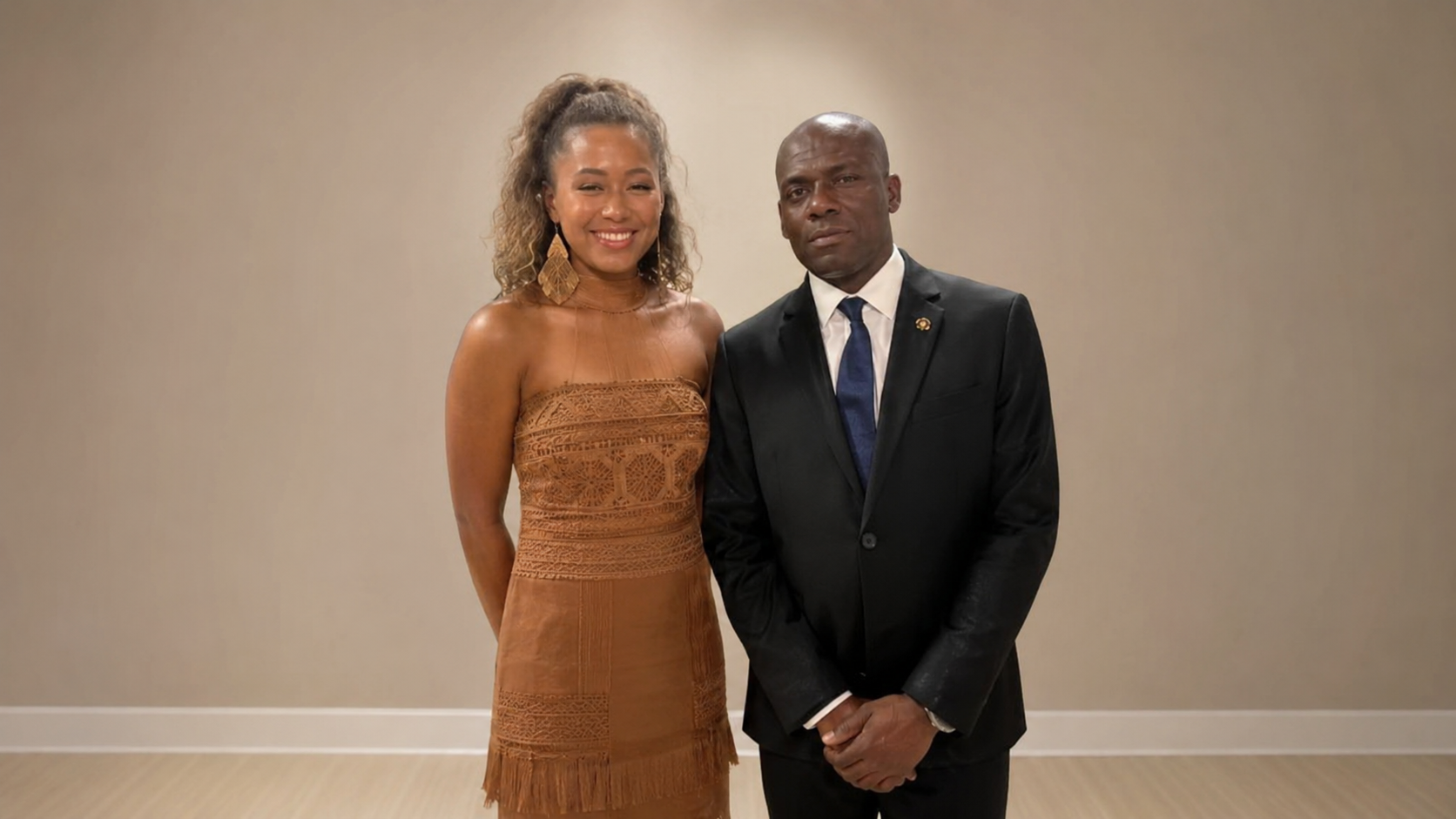
Introduction
Leonard Francois is one of those powerful figures whose influence is felt more through results than noise. He is best known as the father of tennis star Naomi Osaka, but his story goes far beyond being connected to a famous athlete. Leonard is a Haitian-born father, mentor, and early tennis coach who helped shape the careers of his daughters, Naomi Osaka and Mari Osaka, with patience, discipline, courage, and a vision that many people around him did not understand at first. His journey is deeply connected with family sacrifice, immigrant ambition, multicultural identity, and the dream of building something meaningful from very limited resources.
Table of Contents
ToggleWhat makes Leonard Francois fascinating is that he was not a professional tennis player, nor was he born into the elite world of international sports. He did not come from a famous coaching academy or a wealthy tennis background. Instead, he saw possibility where others saw difficulty. Inspired by the story of Venus and Serena Williams, he believed that with the right mindset, training, and family unity, his own daughters could also rise in the demanding world of tennis. That belief eventually helped Naomi Osaka become one of the most successful and influential athletes of her generation.
Leonard’s life reflects the quiet strength of parents who work behind the scenes. He trained his daughters, protected their dreams, supported their identity, and helped them grow through pressure, change, and public attention. His story is not only about tennis; it is about fatherhood, perseverance, culture, and the power of believing in a child before the world does.
Leonard Francois Quick Facts
| Field | Details |
|---|---|
| Full Name | Leonard Maxime Francois |
| Popular Name | Leonard Francois |
| Known For | Father and early coach of Naomi Osaka |
| Profession | Tennis coach, mentor, sports parent |
| Birthplace | Jacmel, Haiti |
| Nationality | Haitian-American |
| Ethnicity | Haitian |
| Wife | Tamaki Osaka |
| Children | Mari Osaka and Naomi Osaka |
| Famous Connection | Father of four-time Grand Slam champion Naomi Osaka |
| Residence | United States |
| Estimated Net Worth | Around $1 million to $3 million, estimated |
| Main Income Sources | Coaching connection, family business interests, private work, association with Naomi Osaka’s tennis career |
| Not publicly active | |
| Twitter/X | Not publicly active |
| Not publicly confirmed |
Who Is Leonard Francois?
Leonard Francois is widely recognised as the father of Naomi Osaka, the Japanese-Haitian tennis champion who became a global sports icon through her powerful playing style, calm personality, and major Grand Slam victories. However, Leonard is more than a famous parent. He is the person who helped create the early foundation of Naomi’s tennis journey and encouraged both Naomi and her older sister Mari Osaka to pursue the sport with serious commitment from childhood.
His role in Naomi Osaka’s success is often compared to Richard Williams, the father of Venus and Serena Williams. That comparison is meaningful because Leonard openly took inspiration from the Williams family model. He saw how Richard Williams trained his daughters with limited resources and turned them into world-class champions. Leonard believed that the same kind of discipline, long-term planning, and parental dedication could work for his family too.
Although Leonard Francois never became a public celebrity in the usual sense, his story has become important in tennis culture. He represents the kind of parent who studies, sacrifices, learns, and adapts for the future of his children. His influence can be seen in Naomi Osaka’s discipline, mental toughness, humility, and deep connection to both her Japanese and Haitian roots.
Early Life and Haitian Background
Leonard Francois was born in Jacmel, Haiti, a place known for its history, art, culture, and resilient people. Growing up in Haiti shaped many of the values that later became part of his parenting style. Haitian culture places strong importance on family, hard work, respect, faith, survival, and community. These values helped form Leonard’s outlook on life and gave him the strength to face challenges after leaving his home country.
Although he has kept most details of his childhood private, it is clear that Leonard carried his Haitian identity with pride. His background later became an important part of Naomi Osaka’s identity as well. Naomi has often been described as Japanese and Haitian, and this multicultural background has helped her connect with people around the world. Leonard made sure that his daughters understood where their father came from and why their Haitian heritage mattered.
His early life was not connected to professional tennis. This makes his later journey even more interesting. Many successful tennis players begin with parents who already understand the sport or who have access to expensive academies. Leonard did not have that advantage. What he had was curiosity, discipline, and the ability to learn. These qualities became essential when he decided to guide his daughters into tennis.
Meeting Tamaki Osaka and Building a Multicultural Family
Leonard Francois’s life changed when he met Tamaki Osaka, a Japanese woman from Hokkaido. Their relationship became the beginning of a powerful multicultural family story. At the time, their relationship was not easy because interracial relationships could face social pressure, especially in more traditional environments. Tamaki’s family reportedly struggled to accept the relationship at first, but Leonard and Tamaki remained committed to each other.
Their marriage brought together two very different cultural worlds: Haiti and Japan. Leonard came from the Caribbean, while Tamaki came from a Japanese background shaped by tradition, family expectations, and cultural discipline. Together, they created a home where their daughters could grow with both identities. This combination later became one of the most unique parts of Naomi Osaka’s public image.
Leonard and Tamaki had two daughters, Mari Osaka and Naomi Osaka. Both girls were born in Japan, with Naomi born in Osaka. The family later moved to the United States, but Japan remained deeply connected to the girls’ identity. Naomi and Mari used their mother’s surname, Osaka, partly because it was practical while living in Japan and also because it connected them to their Japanese roots.
Family Life and Parenting Values
Leonard Francois’s approach to family life was shaped by strong discipline and long-term thinking. He believed that children needed structure, focus, and confidence from an early age. He also understood that success would not come easily, especially for a multicultural family trying to build a future across different countries and cultures.
Tamaki Osaka played an equally important role in the family. While Leonard focused heavily on training and tennis development, Tamaki worked hard and supported the household. Her sacrifices gave Leonard the space to spend more time coaching and guiding the girls. The Osaka family’s success was not the result of one person alone; it came from teamwork, shared belief, and years of quiet sacrifice.
Leonard’s parenting was not only about producing tennis players. He wanted his daughters to be strong, independent, and proud of who they were. Naomi Osaka’s calm personality, respectful public behaviour, and thoughtful way of speaking reflect the family values she grew up with. Leonard taught discipline, while Tamaki added emotional strength and cultural grounding. Together, they created a balanced foundation for their daughters.
How Leonard Francois Discovered Tennis as a Dream
Leonard Francois was inspired after seeing the rise of Venus and Serena Williams. Their father, Richard Williams, had trained them from a young age and guided them from public courts to the highest level of tennis. Leonard saw something powerful in that story. It showed him that a parent did not need to come from tennis royalty to help children achieve greatness.
This inspiration became a turning point. Leonard began imagining a similar path for Mari and Naomi. He studied tennis, watched matches, learned training methods, and created routines for his daughters. He did not simply dream; he acted. Even without formal coaching experience, he committed himself to learning enough to give his daughters a real chance.
This decision changed the direction of the entire family. Tennis became a daily part of life. The girls trained consistently, and Leonard became their first serious coach. He focused on repetition, power, movement, and confidence. He knew the journey would be long, but he believed that consistent effort over many years could produce extraordinary results.
Moving to the United States for Better Opportunities
When Naomi Osaka was still young, the family moved from Japan to the United States. This move was important because it gave Mari and Naomi access to better tennis courts, more competition, and a wider sports environment. The family first lived in New York, where Leonard had relatives, and the girls began training on public courts.
Life in the United States was not glamorous. The family was not living like wealthy tennis academy families. Leonard often trained the girls himself because private coaching was expensive. This made their journey more difficult but also more personal. Every practice session carried the weight of family hope.
Later, the family moved to Florida, a major centre for tennis training in America. Florida has long been known for producing strong tennis players because of its warm weather, competitive environment, and access to tennis programmes. For Leonard, moving there was another step toward giving his daughters the best possible chance.
Leonard Francois as Naomi Osaka’s First Coach
Leonard Francois became Naomi Osaka’s first and most important early coach. He started training her when she was very young and built the basics of her game through years of practice. Naomi’s powerful serve, strong groundstrokes, and aggressive baseline style did not appear overnight. They came from years of repetition and early discipline.
Leonard’s coaching style was unusual because he did not follow the traditional junior tennis path completely. Instead of pushing his daughters into every junior tournament, he focused on long-term development. He wanted them to build skills, confidence, and mental strength before facing the full pressure of competitive tennis.
This approach had advantages. Naomi did not become burned out by the junior circuit in the same way some young athletes do. She developed her game quietly and entered professional tennis with a strong foundation. Leonard’s strategy showed that there is not only one path to success in sports. Sometimes a different route can create a stronger and more independent athlete.
The Role of Mari Osaka in Naomi’s Development
Mari Osaka, Naomi’s older sister, played a major role in Naomi’s tennis journey. Leonard trained both daughters, and their sibling competition became a key part of their development. Naomi has often said that she wanted to beat Mari when they were growing up. That desire pushed her to improve.
Mari was talented and also became a professional tennis player. Even though Naomi eventually reached greater global fame, Mari’s role in the family story should not be overlooked. She gave Naomi a training partner, a rival, and a source of motivation. Their daily competition helped Naomi develop hunger and focus.
Leonard understood the power of sibling rivalry. Like Venus and Serena Williams, Mari and Naomi pushed each other in ways that outside coaches could not easily create. Their shared journey made tennis a family mission, not just an individual dream.
Naomi Osaka’s Rise and Leonard’s Influence
Naomi Osaka eventually became one of the most successful tennis players in the world. She won major Grand Slam titles, reached world number one, and became known for defeating some of the biggest names in tennis. Her victories at the US Open and Australian Open made her a global star.
Leonard’s influence remained visible throughout her rise. Even when Naomi began working with professional coaches, her father’s early training stayed at the centre of her playing identity. Her powerful baseline game, emotional control, and ability to handle pressure were all connected to the foundation Leonard helped build.
One of the most emotional parts of Naomi’s rise was seeing how a family dream became reality. Leonard had once trained his daughters on public courts with limited resources. Years later, Naomi was lifting Grand Slam trophies in front of the world. That transformation made Leonard’s story especially inspiring to parents, immigrants, and young athletes.
Leonard Francois and Richard Williams Comparison
Many people compare Leonard Francois with Richard Williams because both fathers trained daughters who became tennis champions. The comparison is natural because Leonard himself was inspired by Richard Williams. Both men believed in their daughters before the sports world did. Both used public courts and self-made training methods. Both faced doubts from others.
However, Leonard’s journey also has its own identity. He was raising Japanese-Haitian daughters in a multicultural household. He had to navigate not only tennis challenges but also cultural identity, immigration, and social pressure. His story was shaped by Haiti, Japan, and America all at once.
Like Richard Williams, Leonard showed that a parent with vision can change the future of a family. His example proves that success is not always born inside elite systems. Sometimes it begins with a parent watching, learning, planning, and refusing to give up.
Personal Life and Private Personality
Leonard Francois is known as a private person. He does not chase media attention and does not appear to enjoy the celebrity spotlight. This makes him different from many people connected to famous athletes. He prefers staying behind the scenes while supporting his family.
His private nature has created curiosity among fans, but it also shows his character. Leonard seems more interested in results, family, and stability than fame. He has allowed Naomi Osaka to become the public face of the family while he remains a quiet supporter.
People close to Naomi’s story often describe Leonard as disciplined, thoughtful, and deeply committed. He can be intense when it comes to training, but he is also an emotional father who cares deeply about his daughters’ well-being. His nervousness during Naomi’s matches shows how personally invested he remains in her journey.
Leonard Francois’s Relationship With Naomi Osaka
The relationship between Leonard Francois and Naomi Osaka is built on love, respect, and shared history. Naomi understands the sacrifices her father made for her career. She has spoken about her parents with gratitude, and it is clear that family remains central to her life.
Leonard’s role changed over time. When Naomi was young, he was her coach, guide, planner, and daily trainer. As she became a professional, she worked with different coaches and teams. Still, Leonard remained important as a father and trusted supporter.
Their bond also shows in Naomi’s personality. She often appears humble, thoughtful, and family-oriented despite her fame. These qualities reflect the environment Leonard and Tamaki created. Naomi’s success is not only athletic; it is also emotional and cultural. Leonard helped her stay connected to her roots while facing the pressure of global fame.
Leonard Francois’s Net Worth and Income Sources
Leonard Francois’s estimated net worth is often placed around $1 million to $3 million, though exact figures are not publicly confirmed. Since he is a private person, there is no official financial record available for public review. Most estimates are based on his family’s success, coaching role, and connection to Naomi Osaka’s career.
His income sources are not widely publicised. Leonard’s biggest contribution has been as a coach, mentor, and family strategist rather than as a public businessman. Naomi Osaka’s career has generated major earnings through prize money, endorsements, brand partnerships, and business ventures. While Naomi’s wealth belongs to her, Leonard’s early work helped create the foundation for that success.
It is important to discuss his net worth respectfully because Leonard has never built his public image around money. His legacy is more connected to sacrifice, parenting, and sporting influence than personal wealth.
Social Media Presence
Leonard Francois does not appear to be publicly active on major social media platforms such as Instagram, Twitter/X, or LinkedIn. Unlike many celebrity parents, he has not used Naomi Osaka’s fame to build a large online following for himself.
This low-profile approach matches his personality. He seems to prefer privacy and family life over public attention. Most people learn about Leonard through Naomi Osaka interviews, tennis features, sports articles, and biographical stories about the Osaka family.
His limited social media presence also adds to his image as a grounded and private figure. In an age where many people chase visibility, Leonard’s silence feels intentional. He allows his work and family story to speak for itself.
Recent Updates and Current Life
In recent years, Leonard Francois has continued to support Naomi Osaka as she balances tennis, business, motherhood, and public life. Naomi’s career has gone through different phases, including major wins, mental health discussions, time away from the sport, and her return to tennis after becoming a mother.
Through these changes, family support has remained important. Leonard and Tamaki have continued to be part of Naomi’s support system. Although Leonard is no longer seen as her full-time coach in the same way he was during her childhood, his influence remains strong.
Naomi Osaka’s future in tennis continues to attract global attention. As she works to return to top form and build the next chapter of her career, Leonard’s early lessons about resilience, discipline, and belief remain part of her foundation.
Legacy and Impact
Leonard Francois’s legacy is not measured only by Naomi Osaka’s trophies. His true impact lies in the example he created. He showed that a parent with vision can change a child’s future. He proved that immigrant families can overcome cultural barriers and build extraordinary stories. He also helped raise a daughter who became not only a tennis champion but also a voice for identity, mental health, and social awareness.
His story has inspired many sports parents who wonder whether they can support their children’s dreams without elite resources. Leonard’s life says yes, but it also shows that success requires sacrifice, patience, learning, and emotional strength.
The Leonard Francois biography is ultimately a story about belief. He believed in Mari and Naomi before the world knew their names. He believed that discipline could create opportunity. He believed that culture and identity could be strengths rather than obstacles. That belief changed the course of his family’s life.
Conclusion
Leonard Francois is a quiet but powerful figure in the story of modern tennis. From his Haitian roots to his multicultural family life with Tamaki Osaka, from public tennis courts to Grand Slam success, his journey is filled with lessons about courage, sacrifice, and purpose. He did not begin as a tennis expert, but he became the first guide of one of the greatest athletes of her generation.
His story reminds readers that greatness often begins far away from fame. It begins in ordinary places, with parents who believe, children who practice, and families who refuse to quit. Leonard Francois helped shape Naomi Osaka’s path not through shortcuts, but through years of effort, learning, and love.
As Leonard Francois continues to support his family and inspire future generations, his story stands as a reminder of how resilience and purpose can shape a meaningful legacy. His life proves that behind every champion, there is often someone who saw the dream first and worked quietly until the world finally saw it too.